
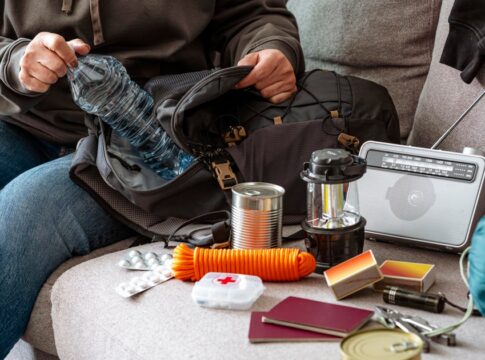
A wave of unexplained technology outages across critical American infrastructure has pushed mainstream consumers into emergency preparedness mode, with major retailers reporting significant spikes in sales of survival supplies, generators, and long-term food storage.
Panic Buying Sweeps Major Retailers
Market data reveals dramatic increases in emergency supply purchases during the four weeks ending November 1. Water purification tablets surged 154 percent compared to last year, disinfecting wipes jumped 72 percent, and moist towelettes climbed 20 percent. Walmart confirmed unusual spikes in soup, water, and ready-to-eat food sales during its third-quarter earnings report. While these purchases have not significantly impacted the retail giant’s $8 billion annual sales, the trend marks a notable shift in consumer behavior.
Costco experienced even more dramatic activity, with shoppers depleting inventory of high-ticket generators that sold out online. Investment firm Mizuho Securities documented consumers engaging in heavy pantry-loading behavior. Tractor Supply reported increased demand across multiple preparedness categories, including generators, liquid storage tanks, and propane accessories compared to the previous year.

Social Media Amplifies Fears
RBC Capital Markets analysts trace the panic to late September when social media misinterpreted a Pentagon military readiness initiative as warning of an impending blackout. This misunderstanding, combined with recent technology failures, created what analysts describe as a convergence of government action and social media anxiety. The fear spread rapidly online despite official clarifications. Secretary of State Marco Rubio addressed concerns during a news conference, confirming that recent incidents affecting Microsoft, the Federal Aviation Administration, and banking systems were completely unrelated technical issues, not coordinated cyberattacks.
Mainstream Americans Embrace Preparedness
What retail analysts previously considered fringe behavior has entered mainstream American culture. RBC Capital Markets analyst Steven Shemesh notes that ordinary families now want assurance they can survive a multi-day outage. Consumer behavior expert Nik Modi confirms that doomsday prepping has transitioned from niche survivalist activity to standard household planning. While analysts acknowledge that current purchasing levels remain at a low intensity, they warn that escalating concerns could dramatically increase emergency supply demand, potentially creating actual shortages and moving significant revenue for major retailers.