
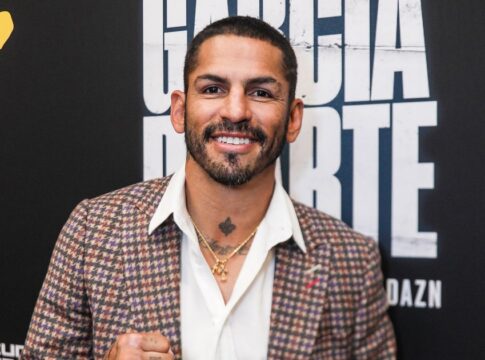
Venezuelan boxing champion Jorge Linares, who held world titles across three weight divisions, sits in federal custody following his weekend detention by Immigration and Customs Enforcement agents at El Paso International Airport, raising questions about the application of immigration law to foreign athletes working in America.
Champion Arrested at Texas Airport
Federal agents arrested the 41-year-old boxer at the Texas border crossing on Saturday, according to an ICE statement released Wednesday. Linares, who maintains a residence in Miami, took to social media early Sunday morning expressing disbelief at his detention. The agency confirmed he would remain in custody while facing deportation proceedings, claiming he violated the terms of temporary entry authorization granted in October 2023.
The detention caught the boxing community off guard. Linares has fought professionally in America for years, competing at the highest levels of the sport. His attorneys from Wilner and O’Reilly immigration law firm maintain their client holds valid authorization to remain in the United States and has cooperated fully with federal authorities throughout the process.


Legal Authorization Dispute
ICE officials stated that Linares exceeded the duration of his temporary entry permit, though they declined to specify the exact terms or explain what type of authorization he received. The agency issued a stern warning that pending applications or work permits do not establish legal status in America. Their statement accused the boxer of acting in defiance of federal law and overstaying his welcome.
The agency spokesperson added that detention remains optional, suggesting undocumented immigrants can choose to self-deport rather than face custody. This position reflects the enforcement priorities of immigration authorities under current policy, which emphasize compliance with entry and exit requirements regardless of an individual’s professional status or public profile.
What This Means
The case highlights ongoing tensions between temporary work authorization and permanent legal status in America’s immigration system. Athletes, entertainers, and other foreign nationals often navigate complex visa requirements to work legally in the United States. The attorneys representing Linares expressed confidence in their legal position but acknowledged that immigration procedures require time to resolve properly. They thanked supporters from Venezuela and worldwide while requesting privacy as the case proceeds through established legal channels. The outcome may clarify how immigration authorities apply overstay enforcement to professional athletes who maintain American work arrangements.