
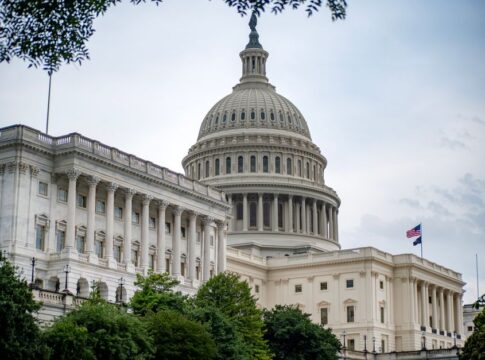
Photo: Ramaz Bluashvili / Pexels
By Daily American Press Newsroom, National Desk — Published November 21, 2026
Table of Contents
- Key Takeaways
- The Background & Context
- Why This Matters
- Reactions & Analysis
- What Happens Next
- Frequently Asked Questions
The Trump administration moves to dismiss a federal lawsuit challenging the outcome of Alaska’s U.S. Senate race, according to multiple reports. The Justice Department has filed to withdraw its legal challenge to the election results that saw Democrat Mary Peltola claim victory in a closely watched contest. This abrupt reversal marks a significant shift in the federal government’s posture toward election litigation and raises questions about the administration’s broader strategy on voting rights and election integrity cases.
The motion to dismiss comes amid heightened scrutiny of the Department of Justice’s role in election disputes. Alaska’s unique ranked-choice voting system has been a focal point of controversy since its implementation, and this case had drawn national attention as a test of federal intervention in state election processes.
Legal observers note that the decision to drop the lawsuit represents a departure from previous signals that the administration would pursue challenges to election outcomes it viewed as problematic. The timing and rationale behind the dismissal motion remain subjects of intense speculation in legal and political circles.
Key Takeaways
- The Trump administration has moved to have a federal lawsuit dismissed that challenged the results of Alaska’s U.S. Senate race
- The Justice Department is seeking to drop its legal challenge to Mary Peltola’s Senate victory in Alaska
- The lawsuit had centered on Alaska’s ranked-choice voting system and election procedures
- This represents a significant reversal in the federal government’s approach to election litigation
- The dismissal motion has generated debate about federal involvement in state election processes
- Legal experts are analyzing the implications for future election challenges and voting rights cases
The Background & Context
Alaska’s election system has been the subject of national debate since voters approved a ballot measure implementing ranked-choice voting and nonpartisan primaries. The system allows voters to rank candidates in order of preference, with votes redistributed if no candidate achieves a majority in the first round. This method fundamentally changed how elections are conducted in the state, moving away from traditional partisan primaries and plurality winners.
Mary Peltola’s Senate victory represented a significant political development in a state long dominated by Republican candidates. Her win under the ranked-choice system sparked immediate controversy among critics who argued the voting method was confusing to voters and produced outcomes that didn’t reflect the true will of the electorate. Supporters countered that ranked-choice voting ensures winners have broader support and reduces negative campaigning.
The lawsuit challenging the election results had been viewed as a test case for federal oversight of state election systems. Questions about whether the federal government should intervene in disputes over voting methods adopted by state voters through ballot initiatives have long divided legal scholars and political activists. The case attracted attention from election law experts across the country who saw it as potentially precedent-setting.
Alaska’s political landscape has shifted dramatically in recent years. Once considered reliably conservative, the state has seen competitive races and unexpected outcomes that have challenged conventional wisdom about its electoral preferences. The implementation of ranked-choice voting coincided with this period of political flux, making it difficult to separate the effects of the new system from broader demographic and political changes.
Why This Matters
The decision to dismiss the lawsuit carries implications far beyond Alaska’s borders. It signals how the current administration views the federal government’s role in policing state election procedures and could influence similar disputes in other states considering or implementing alternative voting methods.
For American voters, the case touches on fundamental questions about democracy and representation. Should the federal government intervene when states adopt voting systems that depart from traditional methods? What role should the Justice Department play in adjudicating disputes about election outcomes? These questions resonate in an era of heightened concern about election integrity and voting rights.
The ranked-choice voting debate itself has national significance. Several states and municipalities have adopted or are considering similar systems. How courts and the federal government respond to challenges against these methods will shape the landscape of American elections for years to come. Proponents argue these systems produce more representative outcomes and reduce polarization. Critics contend they confuse voters and can produce counterintuitive results.
For Alaska specifically, the dismissal removes a cloud of uncertainty hanging over the Senate race results. Prolonged litigation could have created confusion about representation and undermined confidence in the electoral process. Citizens need to know their votes count and that election results will stand unless compelling evidence of irregularities emerges.
The broader context involves ongoing national debates about election administration, voting access, and the integrity of democratic processes. Every decision by federal authorities in this arena sends signals about priorities and principles. The choice to withdraw from this lawsuit will be interpreted through multiple lenses by different political factions.
Reactions & Analysis
Legal experts have begun analyzing the implications of the Justice Department’s decision to seek dismissal. The move surprised some observers who expected the administration to pursue the case vigorously given previous statements about election integrity concerns. Others view it as a pragmatic recognition that the lawsuit faced significant legal hurdles and might not succeed on the merits.
Election law specialists note that federal courts have traditionally been reluctant to overturn state election results absent clear evidence of fraud or constitutional violations. The bar for federal intervention in state electoral processes is high, reflecting principles of federalism and state sovereignty. This legal reality may have influenced the decision to withdraw the challenge.
Political analysts are examining what the dismissal reveals about the administration’s evolving approach to election disputes. Some interpret it as a sign of greater restraint and respect for state authority over elections. Others see it as a tactical retreat from a case that was unlikely to succeed rather than a principled shift in policy.
Advocates for voting rights and election reform have varied reactions. Those who support ranked-choice voting view the dismissal as validation of the system’s legitimacy and a defeat for those seeking to undermine alternative voting methods. Critics of the system remain concerned that federal authorities are not adequately scrutinizing election procedures they view as problematic.
What Happens Next
The immediate effect of the dismissal motion will be to allow Alaska’s Senate election results to stand without further federal challenge. Assuming a court grants the motion, Mary Peltola’s victory will be final from a legal perspective. This will provide certainty for Alaska’s representation in the Senate and remove a source of political controversy.
Looking ahead, the decision may influence how other challenges to ranked-choice voting systems proceed. States and municipalities considering adopting similar methods will watch closely to see whether federal authorities continue to take a hands-off approach or whether this case represents an isolated decision. The precedent set here could either encourage or discourage election reform efforts nationwide.
The Justice Department’s approach to election litigation more broadly will be scrutinized in coming months. Will this dismissal signal a pattern of greater deference to state election authorities, or was it specific to the circumstances of the Alaska case? How the administration handles future election disputes will reveal whether this represents a policy shift or a one-time tactical decision.
For Alaska, the focus will shift from legal battles to governing and preparing for future elections. The ranked-choice voting system will remain in place unless changed through another ballot initiative or legislative action. How well the system functions in subsequent elections will determine whether it becomes a permanent fixture of Alaska’s political landscape or faces renewed challenges.
Frequently Asked Questions
What was the lawsuit about?
The lawsuit challenged the outcome of Alaska’s U.S. Senate race, which was conducted under the state’s ranked-choice voting system. The federal case questioned aspects of how the election was administered and sought to challenge Mary Peltola’s victory in the contest.
Why is the Trump administration dropping the case?
The Justice Department has filed to dismiss the lawsuit, though the specific reasoning behind the decision has not been fully detailed in public reports. The move represents a reversal from the initial decision to pursue the legal challenge and may reflect strategic or legal considerations about the case’s prospects.
What is ranked-choice voting and why is it controversial?
Ranked-choice voting allows voters to rank candidates in order of preference rather than selecting just one. If no candidate wins a majority in the first round, votes are redistributed based on voter preferences until someone achieves majority support. Critics argue it’s confusing and can produce unexpected outcomes, while supporters say it ensures broader consensus and reduces negative campaigning.
Will this affect other states with ranked-choice voting?
The dismissal of this federal challenge may influence how other disputes over ranked-choice voting systems are handled. It could signal that federal authorities will take a more restrained approach to challenging state voting methods, potentially making it easier for other jurisdictions to adopt or maintain similar systems without fear of federal intervention.
As Alaska moves forward from this legal dispute, the broader questions raised by the case will continue to resonate in American political discourse. The balance between federal oversight and state authority in election administration remains a live issue, one that will shape democratic processes for generations. For now, Alaska’s voters can be assured their choice will stand, and the nation watches to see what precedents emerge from this consequential decision.