
Photo: Mark Stebnicki / Pexels
By Daily American Press Newsroom, National Desk — Published November 16, 2026
Table of Contents
- Key Takeaways
- The Background & Context
- Why This Matters
- Reactions & Analysis
- What Happens Next
- Frequently Asked Questions
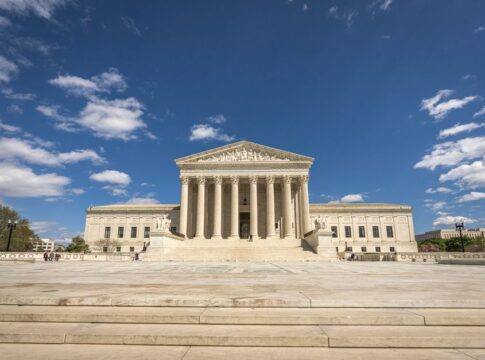
The nation’s highest court has agreed to wade into a constitutional clash over government transparency. The Supreme Court takes up a pivotal fight centered on whether the public can access records from the Department of Government Efficiency, known as DOGE. This decision marks a critical juncture in the ongoing debate over federal accountability and the public’s right to know how taxpayer-funded operations are conducted.
The case arrives at a moment when questions about government openness have intensified across the political spectrum. Citizens, watchdog groups, and journalists have long argued that transparency serves as democracy’s oxygen—essential for holding officials accountable. Now, the justices will determine whether DOGE’s internal documents fall under existing open records laws or whether the agency can shield its operations from public scrutiny.
At stake is more than just one department’s paperwork. The Supreme Court’s ruling could reshape how Americans access information about federal government activities, setting precedent for transparency battles that extend far beyond this single agency. The outcome will likely influence how future administrations balance operational confidentiality against the constitutional principles of open governance.
Key Takeaways
- The Supreme Court has agreed to hear a case challenging access to records from the Department of Government Efficiency (DOGE)
- The dispute centers on whether the public has the right to view internal documents and communications from the federal agency
- This case represents a significant test of government transparency laws and their application to federal departments
- The decision could establish important precedent affecting how Americans obtain information about government operations
- Multiple news organizations and constitutional experts are closely monitoring the case for its broader implications on open records laws
- The ruling may determine the balance between government efficiency claims and public accountability requirements
The Background & Context
Government transparency in America rests on a foundation built over decades. The Freedom of Information Act, passed in 1966, established the principle that citizens have a fundamental right to access federal agency records. This landmark legislation emerged from a belief that democratic governance requires informed citizens who can examine what their government does in their name.
DOGE has become a flashpoint in this long-running conversation. As a federal entity tasked with streamlining government operations and reducing waste, the department has argued that certain records must remain confidential to preserve the integrity of its efficiency reviews. Critics counter that this reasoning creates a dangerous loophole—allowing any agency to claim that transparency would undermine its mission.
The legal battle reflects tensions that have simmered throughout American history. Executive branch officials often assert that some degree of confidentiality is necessary for candid deliberations and effective policymaking. Transparency advocates respond that secrecy breeds corruption and that sunlight remains the best disinfectant for government misconduct.
Lower courts have issued conflicting rulings on DOGE’s obligations under open records statutes. Some judges have sided with the agency, accepting arguments that premature disclosure could compromise ongoing efficiency evaluations. Others have ruled that the public interest in transparency outweighs these concerns, particularly when taxpayer money funds the operations in question.
The Supreme Court’s decision to take the case signals that the justices recognize the constitutional significance of these competing claims. Their ruling will likely provide clarity on how courts should weigh agency arguments for confidentiality against statutory requirements for openness.
Why This Matters
For ordinary Americans, this case carries profound implications. Government transparency is not an abstract legal concept—it directly affects citizens’ ability to participate meaningfully in democracy. When federal agencies operate behind closed doors, voters lack the information needed to evaluate whether their elected representatives are keeping promises or whether bureaucrats are serving the public interest.
Taxpayers fund government operations. They have a legitimate stake in understanding how their money is spent and whether efficiency initiatives actually deliver results. If DOGE can withhold records detailing its activities, the public has no way to verify whether the department is fulfilling its mandate or simply creating another layer of unaccountable bureaucracy.
Journalists depend on open records laws to investigate government wrongdoing. Investigative reporting has exposed countless scandals, from defense contract fraud to environmental violations. When agencies can easily deny access to documents, the watchdog function of the press is severely compromised. Democracy suffers when the fourth estate cannot effectively monitor the powerful.
The precedent established here will extend beyond DOGE. Every federal department watches Supreme Court transparency rulings carefully. A decision favoring broad confidentiality could embolden other agencies to resist disclosure requests. Conversely, a strong ruling for openness might reinvigorate public access across the federal government.
Constitutional scholars emphasize that transparency serves as a check on executive power. The framers designed a system of separated powers specifically to prevent concentration of authority. When one branch can operate in secrecy, that careful balance tips dangerously. Courts play a crucial role in maintaining equilibrium between legitimate government needs and democratic accountability.
Reactions & Analysis
Legal experts have offered varied perspectives on what the Supreme Court’s acceptance of this case signals. Some constitutional law professors view the decision to grant review as an indication that the justices see unresolved questions demanding authoritative answers. The lower court split creates uncertainty that only the nation’s highest tribunal can resolve.
Government transparency organizations have expressed cautious optimism. These groups have long advocated for robust interpretation of open records statutes, arguing that exceptions should be narrowly construed. They hope the Supreme Court will reaffirm that transparency is the rule and secrecy the exception in democratic governance.
Federal agencies, meanwhile, have watched the case’s progression with concern. Many departments routinely invoke confidentiality claims when responding to information requests. A ruling that strictly limits these exemptions could require significant changes to how the executive branch handles public records.
Political observers note that transparency issues cut across partisan lines in unpredictable ways. Conservatives who champion limited government often support transparency as a check on bureaucratic overreach. Progressives who favor active government still insist that agencies must operate openly to maintain public trust. This unusual alignment suggests the case may not follow typical ideological patterns.
Former government officials have weighed in on both sides. Some argue that excessive transparency hampers frank internal discussions and makes effective policymaking impossible. Others, drawing on their own experience, contend that secrecy claims are often exaggerated and that most government work can and should occur in public view.
What Happens Next
The Supreme Court will hear oral arguments in the coming months. Attorneys representing those seeking DOGE records will argue that existing law clearly requires disclosure. Government lawyers will counter that the requested documents fall within recognized exemptions designed to protect deliberative processes.
The justices’ questions during oral argument often provide clues about their thinking. Court observers will listen carefully for concerns about how a ruling might affect government operations or whether the current legal framework adequately balances competing interests. The ideological composition of the Court makes predicting outcomes difficult, as transparency issues do not always align with conventional conservative-liberal divides.
A decision is expected before the Court’s current term ends. The ruling could take several forms. The justices might issue a narrow decision addressing only DOGE’s specific circumstances, or they could craft a broad opinion reshaping open records law across the federal government. They might also send the case back to lower courts with instructions for further proceedings.
Whatever the outcome, the decision will immediately affect pending transparency litigation nationwide. Lawyers handling open records cases will scrutinize the opinion for guidance on how courts should interpret exemptions and evaluate agency claims of confidentiality. Federal departments will adjust their disclosure practices accordingly.
Congress may also respond. Legislators sometimes amend statutes in reaction to Supreme Court rulings, either to reinforce judicial interpretations they support or to override decisions they oppose. If the Court’s ruling leaves transparency advocates dissatisfied, expect legislative proposals to strengthen open records requirements. Conversely, a decision favoring broad disclosure might prompt agencies to seek statutory changes providing more protection for internal documents.
Frequently Asked Questions
What is DOGE and why are its records controversial?
The Department of Government Efficiency, known as DOGE, is a federal agency responsible for reviewing government operations and recommending improvements to reduce waste and increase effectiveness. Its records have become controversial because the agency has resisted public disclosure requests, arguing that revealing internal deliberations and efficiency reviews could compromise its work. Critics contend that as a taxpayer-funded entity, DOGE should operate transparently and that the public has a right to see how efficiency evaluations are conducted and what recommendations are made.
How does the Freedom of Information Act apply to this case?
The Freedom of Information Act (FOIA) establishes that federal agencies must generally make their records available to the public upon request. However, the law includes several exemptions that allow agencies to withhold certain categories of information, such as national security materials, trade secrets, and documents related to internal deliberations. The DOGE case centers on whether the agency’s records fall within these exemptions or whether they must be disclosed under FOIA’s presumption of openness. The Supreme Court will interpret how these exemptions should be applied in this context.
When will the Supreme Court rule on this case?
The Supreme Court typically issues decisions in cases argued during its current term before the term ends in late June or early July. The exact timing depends on various factors, including the complexity of the legal issues and whether the justices can reach consensus. Major cases sometimes take longer as justices draft opinions and dissents. The public will likely know the outcome sometime in the spring or summer, though the Court could potentially hold the case over for reargument if the justices are deeply divided or identify issues requiring additional briefing.
What could this ruling mean for government transparency overall?
The Supreme Court’s decision could significantly impact how all federal agencies handle public records requests. A ruling favoring broad disclosure would strengthen transparency by limiting the circumstances under which agencies can withhold documents. This would empower journalists, researchers, and citizens seeking to understand government operations. Conversely, a decision allowing agencies greater confidentiality could make it harder to obtain information about federal activities, potentially reducing accountability. The precedent established here will guide courts nationwide in resolving similar disputes for years to come, affecting the fundamental balance between government openness and operational confidentiality.
As the Supreme Court prepares to hear arguments, Americans across the political spectrum have reason to pay attention. The outcome will help define the contours of democratic accountability in the modern era. Whether citizens can effectively oversee their government depends substantially on their ability to access information about what officials do. The justices hold that power in their hands.