
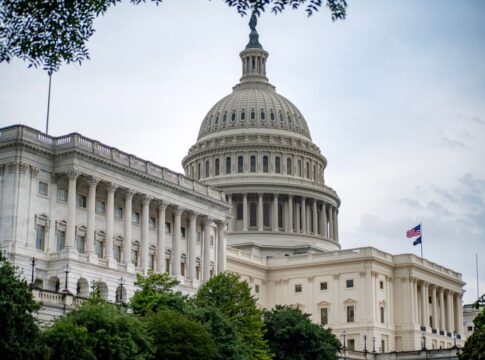
Photo: Ramaz Bluashvili / Pexels
By Daily American Press Newsroom, National Desk — Published November 11, 2026
Table of Contents
- Key Takeaways
- The Background & Context
- Why This Matters
- Reactions & Analysis
- What Happens Next
- Frequently Asked Questions
A sweeping legal rebuke is taking shape across America’s courtrooms. In what amounts to one of the most decisive judicial pushbacks in recent memory, courts said Trump administration efforts to reshape election oversight have been blocked, rejected, or halted in at least 34 separate legal proceedings. The rulings span state and federal benches from coast to coast, painting a stark picture of judicial resistance to what critics call federal overreach into state-run election systems.
The Brennan Center for Justice has documented this remarkable pattern of defeats. These aren’t minor procedural setbacks. They represent fundamental rejections of attempts to centralize election authority in ways that judges across the political spectrum have found legally dubious, constitutionally suspect, or administratively unworkable.
Washington state officials recently celebrated what they termed “a huge victory” after courts blocked what they described as an “anti-democratic new rule” that threatened the integrity of the state’s election infrastructure. The relief was palpable: “Washington’s elections are safe and secure,” officials announced, vowing to “continue to stand up for Washington voters.” Similar scenes have played out in courthouses nationwide as the federal government’s attempts to reshape election administration meet the reality of judicial review and constitutional limits.
Key Takeaways
- At least 34 separate court decisions have ruled against Trump administration attempts to alter election procedures and oversight, according to the Brennan Center for Justice.
- Courts have characterized some administration proposals as “grasping at straws” in efforts to exert federal control over traditionally state-run election systems.
- Washington state successfully blocked what officials called an “anti-democratic new rule,” protecting the state’s existing election infrastructure from federal interference.
- The legal defeats span multiple jurisdictions and court levels, suggesting broad judicial skepticism of the administration’s legal theories and constitutional arguments.
- State officials across the country have pledged continued legal resistance to protect voter access and election integrity in their jurisdictions.
- The pattern of defeats raises questions about the administration’s legal strategy and the viability of future attempts to federalize election oversight.
The Background & Context
American elections have always been a state affair. The Constitution grants states primary authority over election administration, from setting polling locations to certifying results. This decentralized system was designed to prevent any single entity from controlling the entire democratic process.
That traditional framework has come under pressure as the Trump administration has sought to expand federal oversight and influence over election procedures. The Brennan Center for Justice has tracked these efforts systematically, documenting what it describes as the administration “grasping at straws” in attempts to reshape how Americans vote and how those votes are counted.
The legal battles have touched nearly every aspect of election administration. From voter registration databases to ballot counting procedures, from poll worker training to certification timelines, the administration has pushed for changes that would shift power from state capitals to Washington, D.C. Each attempt has required legal justification. Each has faced judicial scrutiny.
The 34 court defeats represent cases where judges found the administration’s legal arguments wanting. Some rulings questioned the constitutional basis for federal intervention. Others found the proposed changes violated existing statutes. Still others determined that the administration failed to follow proper rulemaking procedures, rushing changes without adequate public input or impact analysis.
Washington state’s recent victory exemplifies the pattern. State officials didn’t just oppose the federal rule on policy grounds. They argued it violated fundamental principles of federalism and threatened to undermine election systems that already function effectively. The court agreed, issuing a halt that officials celebrated as essential to protecting voter rights.
Why This Matters
The stakes extend far beyond legal procedure. Elections are the foundation of American democracy. When courts block federal attempts to reshape election systems, they’re protecting not just state prerogatives but the integrity of democratic participation itself.
For ordinary voters, these court battles determine practical realities. Will your polling place stay open? Will your mail ballot be counted? Will the rules change weeks before an election? Courts have consistently said no to last-minute federal interventions that would disrupt established systems.
The sheer number of defeats—34 and counting—suggests something beyond routine legal disagreement. It points to a fundamental mismatch between the administration’s vision of federal election authority and what courts believe the Constitution permits. Federal judges appointed by presidents of both parties have rejected these arguments, suggesting the legal problems transcend partisan politics.
State election officials, who actually run elections, have warned that federal interference threatens to create chaos. They’ve invested years building voter databases, training poll workers, and establishing procedures that comply with both federal law and state constitutions. Sudden federal mandates could upend these systems, potentially disenfranchising voters or creating opportunities for error and manipulation.
The Washington state response captures this concern. Officials didn’t just defend their legal authority. They emphasized their commitment to voters, framing the court victory as protection for citizens’ fundamental rights. When states successfully defend their election systems in court, they’re defending the practical infrastructure that makes democracy work.
Reactions & Analysis
Legal experts following the cases have noted the breadth of judicial skepticism. The Brennan Center for Justice, a nonpartisan law and policy institute, has characterized some administration efforts as “grasping at straws,” suggesting legal arguments that lack solid constitutional or statutory foundation.
Washington state officials were unequivocal in their reaction to their court victory. Describing the blocked rule as “anti-democratic,” they celebrated the outcome as essential to maintaining election security and voter confidence. Their statement emphasized both relief and resolve: the immediate threat was stopped, but vigilance remains necessary.
The pattern of defeats has prompted questions about legal strategy. Why continue pursuing approaches that courts have repeatedly rejected? Some observers suggest the administration believes it only needs to win once at the Supreme Court to reshape the legal landscape. Others see the efforts as political messaging rather than serious legal strategy, designed to raise doubts about election legitimacy regardless of courtroom outcomes.
State attorneys general have become unexpected heroes in this story. Regardless of party affiliation, many have defended their states’ election systems against federal encroachment. They’ve argued that states are better positioned to understand local needs, respond to local challenges, and maintain voter trust through familiar, stable procedures.
The judicial response has been notably consistent. Courts haven’t just ruled narrowly on technical points. Many have issued broad rejections of the administration’s legal theories, questioning whether federal authority extends as far as the government claims. These rulings create precedents that will shape election law for years to come.
What Happens Next
The legal battle is far from over. While 34 defeats represent a significant pattern, the administration continues to pursue new approaches and appeal unfavorable rulings. Some cases may eventually reach the Supreme Court, where the final word on federal election authority could be written.
State officials are preparing for continued challenges. Washington’s vow to “continue to stand up for Washington voters” reflects a broader commitment among states to defend their election systems. Legal defense funds are being replenished. Attorney general offices are monitoring federal actions closely. The next attempt at federal intervention could come at any time.
The 2024 election cycle will test these legal boundaries in real time. Courts have shown willingness to block last-minute changes, but the administration may try new approaches or frame old arguments differently. Election officials must prepare to defend their systems while actually running elections—a dual challenge that strains resources and attention.
Longer term, the question is whether this judicial resistance will deter future federal overreach or simply redirect it. Some legal scholars suggest the defeats will force more careful, constitutionally grounded approaches. Others fear the administration will simply keep trying until it finds sympathetic judges or until the Supreme Court reshapes the legal landscape.
For voters, the message is clear: courts are actively defending the election systems you know. But that defense requires constant vigilance, ongoing litigation, and state officials willing to stand up to federal pressure. The 34 victories represent not an end to the struggle but proof that legal resistance can succeed.
Frequently Asked Questions
What exactly are courts blocking the Trump administration from doing with elections?
Courts have blocked various attempts to alter election procedures and oversight mechanisms. While specific cases vary, judges have rejected efforts to change voter registration systems, modify ballot counting procedures, and implement new federal rules that would shift election authority from states to the federal government. The Brennan Center has documented 34 such defeats across different jurisdictions and issues.
Why do states, not the federal government, run elections?
The U.S. Constitution grants states primary authority over election administration as part of the federal system of government. This decentralization was designed to prevent any single entity from controlling the democratic process. States set polling locations, manage voter registration, count ballots, and certify results, all while complying with federal laws like the Voting Rights Act. This system has been in place since the nation’s founding.
Can the Supreme Court overturn these 34 lower court decisions?
The Supreme Court could potentially hear appeals and rule differently than lower courts, though it cannot overturn all 34 cases in a single ruling since they involve different legal issues and jurisdictions. However, the Court could establish broad principles that reshape election law. Until then, the lower court decisions stand as binding precedent in their respective jurisdictions, protecting state election systems from the specific federal interventions that were challenged.
What happens if federal rules conflict with state election laws?
When federal and state laws conflict, courts must determine which authority governs. Federal law can preempt state law in areas where the Constitution grants Congress clear authority. However, courts have consistently held that states retain broad powers over election administration. The 34 defeats suggest courts believe many administration proposals exceed federal constitutional authority or violate existing statutes, meaning state laws and procedures remain in effect.
As courtrooms across America continue to serve as battlegrounds for election authority, one thing is certain: judges are paying close attention. The 34 defeats send a clear message about constitutional limits and the enduring principle that states, not Washington bureaucrats, run American elections. For now, at least, the courts have spoken.