
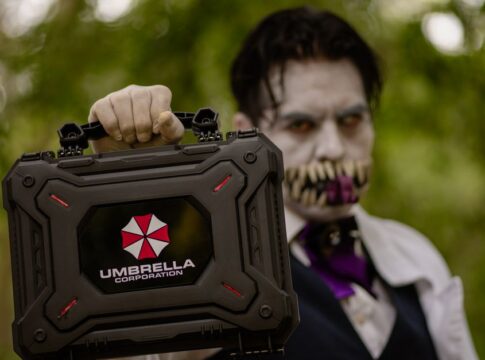
Photo: Israyosoy S. / Pexels
By Daily American Press Newsroom, Entertainment Desk — Published October 8, 2026
Table of Contents
- Key Takeaways
- The Background & Context
- Why This Matters
- Reactions & Analysis
- What Happens Next
- Frequently Asked Questions
The horror genre continues its relentless march through American pop culture, and few franchises have proven as resilient—or as adaptable—as Resident Evil. NPR’s Pop Culture Happy Hour has turned its spotlight on the franchise’s latest iteration, examining how this grisly entertainment property balances visceral scares with unexpected humor in its ongoing battle for survival relevance. The discussion arrives as audiences prepare for a fall season packed with genre offerings across movies, streaming platforms, and television.
For decades, Resident Evil has shuffled between gaming consoles, movie theaters, and streaming services, each time reinventing itself while maintaining the core DNA that made it a cultural phenomenon. The franchise’s ability to blend grotesque horror with moments of levity has become a signature trait, one that keeps drawing audiences back even as the entertainment landscape grows increasingly crowded with competing horror content.
The timing of this cultural conversation matters. As Americans increasingly turn to streaming services and theatrical experiences for their entertainment fix, understanding what makes properties like Resident Evil endure offers insight into broader shifts in how we consume pop culture—and what we’re willing to watch when we need an escape from reality.
Key Takeaways
- NPR’s Pop Culture Happy Hour has featured discussion of Resident Evil, highlighting the franchise’s blend of grisly horror and unexpected humor
- The analysis comes as part of broader fall entertainment coverage examining upcoming movies and TV offerings across streaming and theatrical platforms
- Horror remains a dominant force in 2025’s entertainment landscape, with multiple critical and commercial successes emerging in the genre
- The Resident Evil franchise continues to adapt across multiple media formats, demonstrating unusual staying power in an oversaturated market
- Pop culture critics are examining how horror properties balance tone, mixing genuine scares with comedic elements to maintain audience engagement
- The fall season represents a crucial period for entertainment releases, with industry observers tracking which properties capture public attention
The Background & Context
Resident Evil first emerged as a video game franchise in 1996, quickly establishing itself as a cornerstone of survival horror gaming. Its success spawned a multimedia empire that has included film adaptations, animated features, television series, and countless gaming sequels. Each iteration has faced the challenge of translating the franchise’s core appeal—tense survival scenarios against impossible odds—into new formats while keeping longtime fans engaged and attracting new audiences.
The franchise’s journey through American entertainment culture reflects broader trends in how intellectual properties are developed and exploited. What began as a niche gaming experience has transformed into a recognizable brand that spans generations. Parents who played the original games now watch adaptations with their children, creating a multigenerational fanbase that few properties can claim.
Recent years have seen renewed interest in horror as a genre across all entertainment platforms. Streaming services have invested heavily in horror content, recognizing that the genre delivers loyal audiences and strong engagement metrics. Theatrical releases have demonstrated that horror films can achieve impressive box office returns on relatively modest budgets. Television has embraced serialized horror storytelling, allowing for deeper character development and sustained tension.
The Pop Culture Happy Hour discussion situates Resident Evil within this thriving horror ecosystem. The podcast, known for its thoughtful analysis of entertainment trends, provides a platform for examining why certain properties resonate while others fade. By focusing on how Resident Evil balances its grisly elements with humor, the discussion touches on a fundamental question facing modern horror creators: how dark is too dark, and when does levity enhance rather than undermine tension?
Why This Matters
For American audiences navigating an overwhelming array of entertainment options, understanding what makes franchises like Resident Evil successful offers practical guidance. With countless streaming services competing for subscription dollars and theatrical releases vying for ticket sales, consumers face genuine decision fatigue. Cultural criticism that helps audiences identify what they might enjoy serves a valuable public function.
The economic implications extend beyond individual viewing choices. The entertainment industry employs millions of Americans, from actors and directors to technicians, marketers, and theater workers. Which properties succeed and why directly impacts employment and investment decisions. When a franchise like Resident Evil demonstrates staying power across multiple formats, it signals to industry decision-makers that audiences remain hungry for certain types of content.
Horror’s current prominence also reflects something about the American cultural moment. Historically, horror flourishes during periods of social anxiety and uncertainty. The genre provides a safe space to confront fears, process trauma, and experience catharsis. That Resident Evil specifically balances horror with humor suggests audiences seek not just scares but also relief—a recognition that even in dark times, laughter remains essential.
The conversation around fall entertainment releases carries additional weight as the industry continues recovering from pandemic disruptions and adapting to streaming-era economics. Box office performance and streaming viewership numbers are scrutinized for signs of which business models will prevail. Critical discussion helps shape these outcomes by influencing what audiences choose to watch and how they talk about it.
Reactions & Analysis
According to NPR’s coverage, the fall season has generated significant excitement among entertainment watchers. The network’s Pop Culture Happy Hour has dedicated attention to examining what movies and TV shows are generating the most anticipation, with Resident Evil earning particular focus for its distinctive tonal balance.
The broader horror landscape for 2025 has drawn critical attention as well. As noted in NPR’s reporting, the year has produced notable horror hits and critical darlings, from films like “Sinners” to entries in established franchises like “The Conjuring.” This context positions Resident Evil not as an isolated phenomenon but as part of a robust genre ecosystem that continues delivering both commercial success and artistic achievement.
Industry observers have noted that horror’s current strength defies traditional entertainment wisdom. The genre was once dismissed as niche, appealing primarily to younger male audiences. Today’s horror landscape attracts diverse demographics, with sophisticated storytelling and high production values elevating the genre’s reputation. Franchises that can maintain quality while expanding their reach—as Resident Evil has attempted—become case studies for sustainable entertainment properties.
Critics examining Resident Evil’s latest incarnation have focused on how it navigates the challenge of serving longtime fans while remaining accessible to newcomers. This balancing act proves crucial for franchise longevity. Too much insider knowledge required, and new audiences feel excluded. Too much simplification, and devoted fans feel betrayed. The humor element, when deployed effectively, can serve as a bridge, making grisly content more approachable without sacrificing the core horror experience.
What Happens Next
The fall entertainment season will test whether the excitement documented by cultural critics translates into sustained audience engagement. Streaming platforms will monitor completion rates and subscriber retention. Theaters will track box office performance across the season. These metrics will inform decisions about renewals, sequels, and future franchise investments.
For Resident Evil specifically, the franchise faces questions about its next evolution. Having explored multiple formats and storytelling approaches, the property must continue innovating to maintain relevance. The success of its tonal balance—mixing grisly horror with humor—may influence how future installments are developed and how other franchises approach similar challenges.
The broader horror genre shows no signs of slowing. With multiple successful properties demonstrating audience appetite, studios and streaming services will continue investing in horror content. The question becomes whether the market can sustain the current volume of releases or whether audience attention will become too fragmented. Properties with established fanbases and distinctive identities, like Resident Evil, may be best positioned to weather any contraction.
Cultural criticism will continue playing a role in shaping which properties break through the noise. Podcasts like Pop Culture Happy Hour, along with traditional media coverage, help audiences navigate options and provide frameworks for understanding why certain entertainment resonates. As the media landscape grows more complex, this curatorial function becomes increasingly valuable.
Frequently Asked Questions
What is Resident Evil and why does it remain popular?
Resident Evil is a multimedia franchise that began as a survival horror video game in 1996 and has since expanded into films, television series, and other media. Its enduring popularity stems from its ability to reinvent itself across different formats while maintaining core elements that fans appreciate: tense survival scenarios, memorable characters, and a distinctive blend of horror and action. The franchise’s willingness to balance grisly horror with moments of humor has helped it appeal to broader audiences while maintaining its genre credentials.
Why is NPR’s Pop Culture Happy Hour discussing Resident Evil now?
According to NPR’s coverage, the discussion is part of the show’s examination of fall entertainment offerings across movies, streaming, and television. The timing coincides with a broader look at what audiences are most excited about in the coming season, with Resident Evil representing a significant property in the horror genre. The podcast’s attention reflects both the franchise’s cultural relevance and the strong performance of horror content in the current entertainment landscape.
How does horror content perform in today’s entertainment market?
Horror has proven remarkably resilient and profitable in the current entertainment environment. As noted in NPR’s reporting on 2025’s horror landscape, the genre is producing both commercial hits and critical darlings. Horror films often achieve strong box office returns on modest budgets, while streaming platforms find that horror content drives subscriber engagement. The genre’s success has elevated its cultural status, attracting top-tier talent and sophisticated storytelling that appeals to diverse audiences beyond horror’s traditional demographic base.
What makes the fall entertainment season significant?
The fall season represents a crucial period for the entertainment industry, traditionally marking the beginning of awards-season releases and the ramp-up to holiday viewing. Streaming services and studios use this period to launch major properties, hoping to build momentum that carries through year-end. For audiences, fall offers a concentration of high-profile releases across multiple platforms, making it a key time for cultural critics to help viewers navigate their options and identify what’s worth their time and money.
As Americans settle into their fall entertainment routines, properties like Resident Evil remind us that even grisly scares can come with a smile. The franchise’s continued evolution across formats demonstrates that in entertainment, as in survival horror, adaptation is everything. Whether you’re a longtime fan or a curious newcomer, the conversation around what makes horror work—and why we keep coming back for more—offers insights into not just what we watch, but why we watch it.