
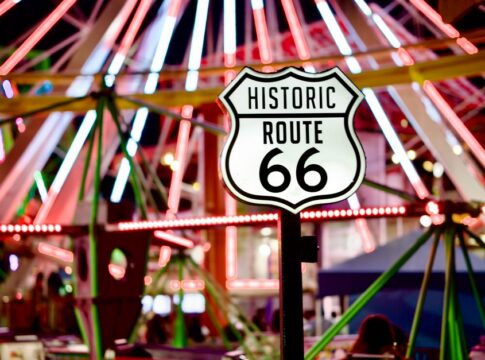
Photo: muhammad nadeem / Pexels
By Daily American Press Newsroom, Entertainment Desk — Published August 26, 2026
Table of Contents
- Key Takeaways
- The Background & Context
- Why This Matters
- Reactions & Analysis
- What Happens Next
- Frequently Asked Questions
The Mother Road. Main Street of America. The Will Rogers Highway. Few stretches of asphalt have captured the American imagination quite like Route 66. This legendary highway, which stretched 2,400 miles from Chicago to Santa Monica, didn’t just move cars and people across the continent—it became a cultural phenomenon that continues to shape how Americans see themselves a century after its creation. The route influence American entertainment, music, literature, and collective identity in ways that persist long after most of the original pavement disappeared beneath interstate highways.
Recent recognition of Route 66’s enduring cultural significance came when the historic highway was named Honorary Grand Marshal of the 2026 Illinois State Fair Twilight Parade, according to reports from Decatur. The symbolic honor underscores how deeply the road remains embedded in regional and national consciousness. Meanwhile, analysis from The Economist examines how this century-old highway continues to help explain fundamental aspects of American character and culture.
From hit songs to television shows, from novels to streaming documentaries, Route 66 has become more than infrastructure—it’s become mythology. Understanding its pop culture legacy offers insight into American dreams of freedom, mobility, and reinvention that still resonate today.
Key Takeaways
- Route 66 became a powerful symbol in American entertainment, inspiring countless songs, TV shows, movies, and literary works since its 1926 establishment.
- The highway received honorary recognition as Grand Marshal for the 2026 Illinois State Fair Twilight Parade, demonstrating its ongoing cultural relevance nearly a century after its creation.
- The Economist’s analysis positions Route 66 as a lens through which to understand fundamental American values and national character.
- The road’s influence extends beyond nostalgia, continuing to shape how Americans think about freedom, opportunity, and westward expansion.
- Pop culture representations of Route 66 transformed infrastructure into mythology, creating an enduring symbol that outlasted the physical highway itself.
- The route’s cultural legacy remains commercially viable, driving tourism and entertainment content in the streaming era.
The Background & Context
Route 66 was commissioned in 1926 as part of the original U.S. Highway System. It connected small-town America with urban centers, running through eight states and three time zones. The highway served as a primary route for migrants fleeing the Dust Bowl in the 1930s, immortalized in John Steinbeck’s “The Grapes of Wrath.” During World War II, it facilitated military transport and connected defense industries. Post-war prosperity turned it into the ultimate road trip destination for middle-class families with new automobiles and vacation time.
But Route 66’s physical utility tells only half the story. The highway arrived at a moment when Americans were falling in love with automobile culture. Cars meant freedom. They meant mobility. They meant you could leave behind whoever you were and become someone new. Route 66 became the concrete embodiment of that promise.
The road began to decline in the 1950s as the Interstate Highway System offered faster, more efficient routes. By 1985, Route 66 was officially decommissioned. Yet its cultural afterlife has proven far more durable than its pavement. Today, enthusiasts travel from around the world to drive remaining segments, visit roadside attractions, and photograph vintage motels and diners that once served highway travelers.
The entertainment industry recognized Route 66’s symbolic power early and often. Bobby Troup’s 1946 song “(Get Your Kicks on) Route 66” became a jazz standard recorded by everyone from Nat King Cole to the Rolling Stones. The tune’s invitation to “get your kicks” captured the road’s promise of adventure and escape. Television followed with the CBS series “Route 66,” which ran from 1960 to 1964, following two young men driving a Corvette and seeking meaning across America. The show wasn’t really about the highway—it was about freedom, possibility, and the open road as metaphor.
Why This Matters
Route 66’s influence on pop culture matters because it reveals how Americans construct national identity through storytelling. The highway became a narrative device, a way to talk about who we are and who we want to be. In movies, it represents both escape from constraint and the search for authentic America. In music, it’s liberation and movement. In literature, it’s the journey toward self-discovery.
This matters to contemporary audiences because these themes haven’t disappeared. Streaming platforms continue producing Route 66 content. Travel shows revisit its landmarks. Documentaries explore its history. The road’s mythology adapts to new media while maintaining core appeal. Understanding why Route 66 resonates helps explain broader patterns in American entertainment and culture.
The highway also matters economically. Communities along the old route have built tourism industries around nostalgia. Small towns that might have faded when the interstates bypassed them have instead reinvented themselves as destinations for travelers seeking authentic Americana. The pop culture mythology drives real dollars into local economies, supporting diners, motels, museums, and gift shops.
For the entertainment industry, Route 66 remains valuable intellectual property. It’s recognizable worldwide, requires no licensing fees, and carries instant associations with American identity. Filmmakers and musicians can invoke the road as shorthand for freedom, nostalgia, or the American West without extensive exposition. That efficiency makes it perpetually useful for storytelling.
The recognition of Route 66 as Honorary Grand Marshal for the 2026 Illinois State Fair demonstrates how regional identity remains tied to the highway. Illinois was Route 66’s starting point in Chicago, and the road passed through numerous small Illinois towns. The parade honor acknowledges both historical significance and ongoing cultural relevance. It’s civic celebration meeting pop culture mythology.
Reactions & Analysis
The Economist’s examination of how Route 66 helps explain America suggests the highway functions as more than entertainment fodder—it’s a diagnostic tool for understanding national character. The analysis positions the road within broader themes of American exceptionalism, westward expansion, and the tension between progress and preservation. By examining Route 66, observers can trace how Americans balance nostalgia with innovation, how they mythologize their own history, and how infrastructure becomes identity.
The Illinois State Fair’s decision to honor Route 66 reflects regional pride and recognition of tourism potential. State fairs traditionally celebrate agricultural heritage and community values. Naming a highway as Grand Marshal acknowledges that transportation infrastructure has become heritage worth celebrating. It’s a statement that roads can be cultural artifacts, not just utilitarian pavement.
Tourism officials and preservation groups have long recognized Route 66’s commercial value. They’ve worked to maintain landmarks, mark historic routes, and promote the highway as a destination. These efforts succeed because pop culture laid the groundwork. Without songs, shows, and movies creating emotional associations, Route 66 would be just another decommissioned highway. Entertainment transformed it into something worth preserving.
Cultural critics note that Route 66 mythology often glosses over uncomfortable histories. The road passed through segregated communities where Black travelers faced discrimination and danger. Native American lands were commercialized and stereotyped in roadside attractions. The westward expansion the highway facilitated came at tremendous cost to indigenous peoples. Contemporary treatments increasingly grapple with these complexities, offering more nuanced portrayals than mid-century celebrations did.
What Happens Next
Route 66’s pop culture influence shows no signs of fading. New generations discover the highway through different media—Instagram photos of vintage neon signs, YouTube travel vlogs, streaming documentaries. The mythology adapts while maintaining core themes. Electric vehicles now travel routes once dominated by gas-guzzling sedans, but the journey’s meaning persists.
Entertainment producers will continue mining Route 66 for content. The road offers ready-made narrative structure, recognizable iconography, and emotional resonance. Expect more documentaries, more travel shows, more songs referencing the Mother Road. Each generation reinterprets the highway’s meaning while building on accumulated cultural associations.
Preservation efforts face ongoing challenges. Original structures deteriorate. Small-town economies struggle. Climate change threatens landmarks. But pop culture mythology creates constituency for preservation. People care about saving Route 66 because entertainment taught them it matters. That cultural weight translates into preservation funding, volunteer efforts, and political will.
The 2026 parade honor in Illinois may inspire similar recognitions elsewhere. Other states along the route might find ways to celebrate the highway’s centennial and cultural significance. These celebrations will blend civic pride, tourism promotion, and genuine affection for what the road represents. They’ll demonstrate how pop culture transforms infrastructure into shared heritage.
Academic interest in Route 66 will likely grow. Scholars examining American studies, popular culture, transportation history, and regional identity find rich material in the highway’s story. Future research may explore how digital media reshapes Route 66 mythology or how international audiences interpret American road culture. The highway that once connected physical places now connects past and present, myth and reality.
Frequently Asked Questions
What made Route 66 so important to American pop culture?
Route 66 arrived at the perfect cultural moment, coinciding with America’s love affair with automobiles and representing freedom, mobility, and westward opportunity. Its 2,400-mile span through diverse landscapes and communities made it ideal for storytelling. Entertainment industry adoption—through songs like “(Get Your Kicks on) Route 66” and the CBS television series—transformed the highway from infrastructure into mythology. The road became shorthand for American dreams of reinvention and escape, themes that resonate across generations and media formats.
Why does Route 66 still matter if the original highway is mostly gone?
Route 66’s cultural significance outlasted its physical infrastructure because pop culture created emotional and symbolic associations that transcend pavement. The highway represents ideas—freedom, adventure, authentic America—that remain relevant regardless of road conditions. Tourism built around Route 66 mythology drives economic activity in communities along the old route. The road’s ongoing presence in entertainment, from streaming documentaries to social media, keeps it alive in public consciousness. Cultural heritage often matters more than physical preservation.
How has Route 66 been represented in movies and television?
Route 66 has appeared in countless films and shows, most famously in the 1960s CBS series “Route 66,” which used the highway as a backdrop for stories about freedom and self-discovery. The road features in road trip movies, documentaries about American history and culture, and travel shows exploring nostalgic Americana. These representations typically emphasize themes of escape, adventure, and the search for authentic American experience. The highway serves as both literal setting and metaphor for journey and transformation in American storytelling.
What is Route 66’s connection to the 2026 Illinois State Fair?
Route 66 has been named Honorary Grand Marshal of the 2026 Illinois State Fair Twilight Parade, according to reports from Decatur. This recognition honors the highway’s historical and cultural significance, particularly its connection to Illinois as the road’s eastern terminus in Chicago. The designation demonstrates how Route 66 remains relevant in regional identity and celebration nearly a century after its establishment. It’s a symbolic honor that acknowledges the road’s transformation from infrastructure to cultural icon worthy of civic recognition.
Route 66 endures because it tells Americans stories they want to hear about themselves. The highway’s pop culture legacy transforms concrete and asphalt into mythology, offering a narrative of freedom, possibility, and perpetual reinvention. As the road approaches its centennial, its influence on entertainment and American self-understanding shows no signs of diminishing. The Mother Road keeps rolling, now more in imagination than on pavement, but no less powerful for the transformation.