
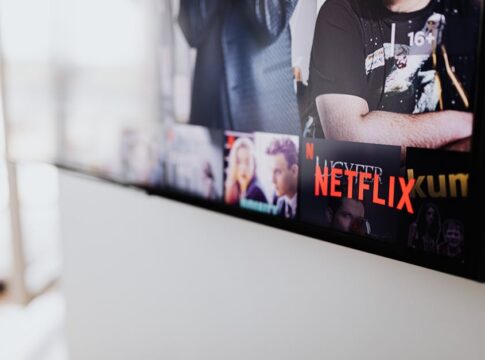
Streaming Service Raises Prices Amid Content Wars
The streaming entertainment landscape has undergone another significant shift as major platforms continue adjusting their subscription rates in response to escalating content production costs and intensifying competition. This latest round of price increases reflects the complex challenges facing streaming services as they navigate an increasingly crowded marketplace while attempting to maintain profitability and satisfy subscriber expectations.
The Current State of Streaming Price Adjustments
Multiple streaming platforms have announced price increases over the past year, with some services raising rates for the second or third time in recent memory. These adjustments typically range from one to three dollars per month across various subscription tiers, though the cumulative effect for consumers subscribing to multiple services has become substantial. The standard subscription tier for many major platforms now exceeds fifteen dollars monthly, with premium options reaching twenty dollars or more.
Industry analysts note that these price adjustments come at a critical juncture for the streaming industry. After years of aggressive growth and subscriber acquisition, many platforms are shifting focus toward profitability and sustainable business models. This strategic pivot has resulted in difficult decisions regarding content spending, advertising integration, and pricing structures.
Understanding the Content Wars
The term “content wars” refers to the fierce competition among streaming platforms to produce and acquire compelling original programming and licensed content that attracts and retains subscribers. This competition has driven content production budgets to unprecedented levels, with streaming services collectively spending tens of billions of dollars annually on original programming.
Several factors contribute to these escalating costs:
- Premium talent acquisition, including high-profile actors, directors, and producers who command substantial fees
- Investment in diverse content libraries spanning multiple genres and demographics
- Production of blockbuster-level original series and films requiring significant budgets
- Licensing fees for popular existing content from studios and networks
- Technology infrastructure costs for content delivery and platform maintenance
- Marketing expenses to promote new releases and maintain brand visibility
Economic Pressures Driving Price Changes
The decision to raise subscription prices stems from multiple economic pressures facing streaming platforms. First, the initial phase of streaming growth relied heavily on venture capital and investor confidence in future profitability rather than immediate returns. As these companies mature, shareholders and boards increasingly demand evidence of sustainable profitability and positive cash flow.
Additionally, the production costs for premium content continue rising. A single season of a high-profile drama series can cost hundreds of millions of dollars, while major film productions often exceed similar budgets. These investments must be justified through subscriber retention and growth, creating pressure to continuously deliver hit content.
The fragmentation of the streaming market has also impacted individual platform economics. As more services enter the marketplace, the total addressable audience becomes divided among numerous competitors. This fragmentation makes it more challenging for any single platform to achieve the economies of scale that would allow for lower pricing while maintaining profitability.
Consumer Impact and Subscription Fatigue
For consumers, the accumulation of price increases across multiple streaming subscriptions has created a phenomenon known as “subscription fatigue.” Many households now subscribe to three, four, or more streaming services, with monthly costs rivaling or exceeding traditional cable television packages. This has led to increased scrutiny of streaming value propositions and more frequent subscription cycling, where consumers subscribe for specific content before canceling.
Research indicates that price sensitivity among streaming subscribers has increased significantly. Studies show that substantial portions of subscribers consider canceling after price increases, particularly when they do not perceive commensurate improvements in content quality or library depth. This creates a delicate balance for streaming platforms between revenue optimization and subscriber retention.
Industry Responses and New Business Models
In response to these challenges, streaming services have begun experimenting with various business model adjustments beyond simple price increases. Many platforms have introduced advertising-supported tiers at lower price points, allowing cost-conscious consumers to maintain access while generating additional revenue through advertising sales.
Other strategies include:
- Password-sharing crackdowns to convert casual viewers into paying subscribers
- Bundling arrangements with other services or telecommunications providers
- Tiered pricing structures offering different features and content access levels
- Strategic content windowing to maximize value from individual productions
- International expansion to grow subscriber bases in emerging markets
Future Outlook for Streaming Services
Industry experts anticipate continued evolution in streaming business models and pricing strategies. The current rate of price increases may not be sustainable long-term, potentially leading to market consolidation through mergers and acquisitions. Some analysts predict that the number of major streaming platforms will decrease as smaller services struggle to compete with established players possessing larger content libraries and financial resources.
The streaming industry may also see increased emphasis on content efficiency rather than volume. Instead of producing vast quantities of original programming, platforms may focus resources on fewer high-quality productions with greater likelihood of success and subscriber impact.
Conclusion
The current wave of streaming price increases represents a maturation of the industry as services transition from growth-focused strategies to profitability-oriented operations. While these adjustments create challenges for budget-conscious consumers, they reflect the economic realities of sustaining expensive content production and platform operations. The coming years will likely determine which streaming services successfully balance content investment, pricing strategies, and subscriber satisfaction in an increasingly competitive and costly entertainment landscape.