
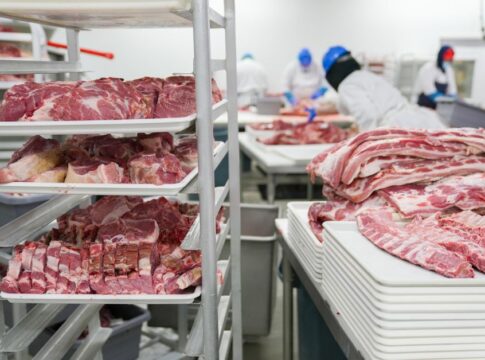
The U.S. Department of Agriculture has recalled nearly 30,000 pounds of raw beef imported from Argentina and distributed in Texas and Florida, classifying the product as a Class I health hazard despite citing only missed inspection procedures as the official reason.
Highest Risk Classification Raises Questions
The USDA Food Safety and Inspection Service designated the recalled beef as Class I, the agency’s most severe risk category, typically reserved for products that could cause serious health consequences or death. Food safety expert Dr. Darin Detwiler questioned the disconnect between the stated cause and the classification level assigned to the recall.
Detwiler noted the unusual nature of giving the highest risk classification to what officials described as a procedural oversight. The recall notice specified missed import re-inspections but did not identify any specific contaminants in the beef products. The distributor has not responded to requests for comment, and affected retailers remain unidentified.
Timing Coincides With Foreign Beef Announcement
The recall emerged within 48 hours of President Trump announcing plans to allow 300,000 pounds of foreign beef imports over 90 days at prices 25 percent below current market rates. Detwiler highlighted the proximity of these events, pointing to confusion arising from simultaneous news about foreign beef imports and safety concerns.
Democratic Senate candidate James Talarico criticized the import plan, calling it a political maneuver that hurts Texas cattlemen while benefiting foreign competitors. The campaign for Republican Senate candidate Ken Paxton did not respond to requests for comment on either the recall or the import announcement.
Growing Summer Recall Pattern
This recall adds to an expanding list of food safety alerts issued during summer months. The combination of the recall, import policy changes, and election-year politics has generated widespread discussion about beef import oversight and domestic agricultural interests. Questions remain about inspection protocols and how products bypass required safety checks before reaching American consumers in major markets like Texas and Florida.