
Photo: Mark Stebnicki / Pexels
By Daily American Press Newsroom, National Desk — Published August 27, 2026
Table of Contents
- Key Takeaways on Trump Officials’ Supreme Court Appeal
- The Background & Context
- Why This Matters
- Reactions & Analysis
- What Happens Next
- Frequently Asked Questions
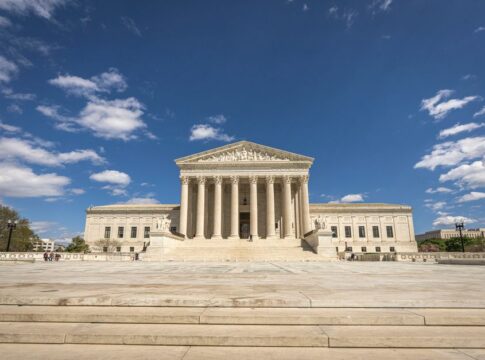
The Trump administration has turned to the nation’s highest court in an effort to keep construction moving on a controversial White House ballroom project. Trump officials asked the Supreme Court to allow work to proceed even as legal challenges wind through lower courts, setting up a potential clash over executive authority and historic preservation.
The emergency appeal comes after lower courts raised questions about the project’s legality and environmental compliance. At stake is not just a building addition, but broader questions about presidential power, government spending, and the balance between modernizing federal facilities and protecting national landmarks.
The Supreme Court’s initial response suggests the justices are willing to let construction continue temporarily while they consider the full scope of the dispute. This procedural move keeps bulldozers running but leaves fundamental legal questions unresolved.
Key Takeaways on Trump Officials’ Supreme Court Appeal
- The Trump administration filed an emergency request with the Supreme Court to permit ongoing construction of a White House ballroom despite pending legal challenges.
- Lower courts had raised concerns that prompted the administration to seek intervention from the nation’s highest judicial body.
- The Supreme Court has allowed the ballroom construction to proceed on a temporary basis while the legal process continues.
- The case touches on executive authority, federal construction oversight, and the balance between presidential prerogatives and legal constraints.
- The temporary approval does not resolve the underlying legal questions, which remain subject to further court review.
- The outcome could set precedents for how future administrations manage federal construction projects and respond to judicial oversight.
The Background & Context
White House renovation and expansion projects have long been sources of controversy, caught between competing demands for security, functionality, and historical preservation. Every modern president has faced decisions about how to maintain and upgrade what is simultaneously a working office, a ceremonial venue, and a protected historic site.
The current ballroom project represents the administration’s vision for enhanced entertaining and diplomatic space within the executive mansion complex. Such facilities serve practical purposes beyond mere luxury. They host state dinners, treaty signings, and gatherings with foreign dignitaries that constitute essential elements of presidential diplomacy.
Yet any construction at 1600 Pennsylvania Avenue triggers multiple layers of review. The White House sits within a historic district. Federal environmental laws apply. Congressional appropriations come with strings attached. And citizen groups maintain vigilant oversight of how taxpayer dollars get spent on presidential facilities.
When lower courts began scrutinizing the ballroom project, they raised procedural and substantive concerns that threatened to halt construction entirely. The administration faced a choice: accept delays that could stretch months or years, or ask the Supreme Court to intervene with emergency relief.
The decision to seek Supreme Court intervention reflects the administration’s calculation that stopping work would create irreparable harm. Construction projects operate on tight schedules. Contractors maintain crews and equipment. Delays cascade into cost overruns. And political calendars create pressure to complete signature projects before terms expire or control of government changes hands.
Why This Matters
For American taxpayers, the ballroom dispute raises fundamental questions about accountability and oversight. Who decides how federal construction money gets spent? What checks exist on executive branch building projects? And how should courts balance deference to presidential operations against enforcement of environmental and preservation laws?
The case also tests the Supreme Court’s role in emergency disputes involving the executive branch. When presidents ask for immediate relief from lower court orders, the justices must decide whether to grant temporary reprieves or let judicial processes play out. Their choices shape the practical boundaries of presidential power.
Citizens concerned about government spending have reason to watch closely. Construction cost estimates often prove optimistic. Scope creep expands projects beyond original plans. And once work begins, stopping becomes politically and financially difficult. The Supreme Court’s willingness to let construction continue may effectively decide the project’s fate regardless of how underlying legal questions eventually get resolved.
Historic preservation advocates see the dispute through a different lens. The White House belongs to all Americans, not just its current occupant. Permanent alterations to the building and grounds deserve rigorous review. Rushing construction to beat legal deadlines undermines careful consideration of long-term impacts.
The separation of powers dimension matters too. When courts question executive branch actions, does the president get to keep acting while appeals proceed? Or should controversial projects pause until legal clarity emerges? How the Supreme Court handles this request could influence countless future disputes where administrations seek to act first and litigate later.
Reactions & Analysis
Legal observers note that Supreme Court decisions to allow challenged actions to continue during appeals often signal how the justices view the underlying merits. By permitting construction to proceed temporarily, the Court may be indicating skepticism about the strength of legal challenges to the project.
However, procedural decisions do not always predict final outcomes. The justices might simply be avoiding the disruption that stopping construction would cause while they take time to examine complex legal arguments. Emergency applications receive abbreviated briefing and consideration compared to full cases on the Court’s regular docket.
The temporary nature of the Court’s action preserves all parties’ options. If the justices ultimately rule against the administration, they could order remediation or modifications. If they uphold the project, construction will have progressed without costly interruption. This middle path reflects judicial pragmatism in the face of time-sensitive disputes.
Constitutional scholars point out that cases involving White House operations present unique challenges. Courts traditionally show deference to presidential management of executive branch facilities. Yet that deference has limits when statutory requirements and appropriations restrictions come into play.
The appeal also highlights tensions between different branches of government. Congress authorizes spending and sets conditions. Courts interpret whether executive actions comply with law. And presidents assert inherent authority to manage their own office operations. Sorting out these competing claims requires careful legal analysis that cannot happen overnight.
What Happens Next
The Supreme Court’s temporary approval keeps construction crews working while legal arguments develop. Lower courts will continue examining whether the project complies with all applicable laws and regulations. Those proceedings could take months to resolve.
Meanwhile, the administration must decide how aggressively to push the work forward. Completing construction quickly would create facts on the ground that make reversal difficult. But racing ahead could backfire if courts ultimately rule the project illegal, potentially requiring expensive modifications or even partial demolition.
Congressional oversight may intensify as lawmakers from both parties scrutinize the project’s costs, scope, and legal basis. Appropriations committees hold power over future funding. And legislative hearings could generate political pressure regardless of how courts rule.
The case may also influence how future administrations approach federal construction projects. If the Supreme Court ultimately blesses the administration’s ability to proceed despite legal challenges, presidents will have a template for moving quickly on building initiatives. If courts impose stricter requirements, future White House occupants will face more constraints.
Public interest groups will likely continue monitoring the situation closely, ready to file additional legal challenges if new issues emerge. Environmental reviews, historic preservation assessments, and spending accountability all provide potential grounds for ongoing litigation.
Frequently Asked Questions
What exactly did the Trump administration ask the Supreme Court to do?
Trump officials filed an emergency application requesting that the Supreme Court allow construction of a White House ballroom to continue while legal challenges to the project proceed through lower courts. The administration sought to prevent work stoppages that could result from adverse lower court rulings during the appeals process.
Did the Supreme Court approve the ballroom project?
The Court allowed construction to proceed temporarily while legal questions remain under review. This procedural decision does not constitute final approval of the project’s legality. The justices have not yet ruled on the underlying merits of challenges to the ballroom construction.
Why does a ballroom construction project require Supreme Court involvement?
Lower courts raised legal concerns about the project that threatened to halt construction. Because stopping work would create delays and potential cost increases, the administration sought emergency relief from the Supreme Court. Such intervention becomes necessary when time-sensitive disputes involve conflicting court orders or imminent deadlines.
What are the main legal issues in dispute?
While specific details of the legal challenges have not been fully disclosed in available reporting, disputes over federal construction projects typically involve environmental compliance, historic preservation requirements, appropriations law, and whether proper review procedures were followed. Courts must determine if the administration satisfied all applicable legal requirements before beginning construction.
As concrete gets poured and walls rise, the legal battle over the White House ballroom continues in courtrooms across the country. The Supreme Court has bought the administration time to build, but not necessarily permission to finish. How this dispute ultimately resolves will say much about the limits of presidential power and the judiciary’s willingness to second-guess executive branch construction decisions. For now, the sound of construction equipment echoes through the nation’s capital while lawyers sharpen their arguments for rounds of litigation yet to come.