
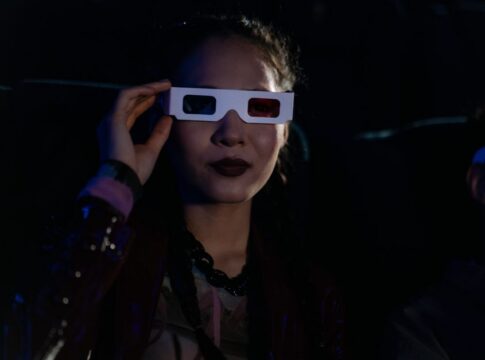
Photo: cottonbro studio / Pexels
By Daily American Press Newsroom, Entertainment Desk — Published November 5, 2026
Table of Contents
- Key Takeaways
- The Background & Context
- Why This Matters
- Reactions & Analysis
- What Happens Next
- Frequently Asked Questions
Time moves fast in the entertainment world. Blink and a decade slips by. The culture moments turning 20 in 2026 represent a generation’s defining touchstones—movies that shaped childhoods, TV shows that launched streaming empires, and music that still dominates playlists today. These milestones from 2006 aren’t just nostalgia bait. They mark a pivot point in pop culture, when digital media began overtaking traditional formats and social platforms started reshaping how Americans consumed entertainment.
Twenty years feels both recent and impossibly distant. The cultural artifacts hitting this milestone emerged during a transitional era—DVDs still ruled home video, iTunes was king of music sales, and YouTube had barely celebrated its first birthday. Understanding what made 2006 significant helps contextualize where entertainment stands today and where it’s headed tomorrow.
For Americans who grew up during this period, these anniversaries trigger something deeper than simple reminiscence. They’re markers of personal history, tied to first dates, college dorms, family living rooms, and formative experiences. They also reveal how quickly the entertainment landscape transforms, leaving even relatively recent phenomena feeling like ancient history.
Key Takeaways
- Major entertainment properties from 2006 will celebrate 20-year anniversaries throughout 2026, marking a generational shift in pop culture consumption.
- The year 2006 represented a transitional moment when streaming and digital media began challenging traditional entertainment distribution models.
- These cultural touchstones shaped millennials and older Gen Z audiences during formative years, creating lasting emotional connections to specific movies, shows, and music.
- The nostalgia cycle continues to accelerate as entertainment companies mine 20-year-old properties for reboots, sequels, and anniversary celebrations.
- Understanding these milestones provides insight into how rapidly American entertainment consumption habits have evolved in just two decades.
- The anniversaries highlight broader cultural trends including the rise of social media, the decline of physical media, and changing audience demographics.
The Background & Context
The year 2006 sits at a fascinating intersection in entertainment history. Physical media still dominated, but cracks were showing. Netflix had just launched its streaming service as a small add-on to its DVD-by-mail business. The iPhone didn’t exist yet—it would debut in 2007—meaning most Americans consumed media on computers, televisions, or portable devices like iPods.
This was the final era before smartphones fundamentally altered how people engaged with culture. Social media existed but remained relatively niche. MySpace ruled the social networking space. Facebook was still limited to college students. Twitter launched in 2006 but wouldn’t achieve mainstream adoption for years. Instagram and TikTok were unimaginable.
The entertainment industry operated under assumptions that would soon crumble. Studios believed theatrical releases and DVD sales would remain primary revenue streams indefinitely. Record labels still fought digital piracy while clinging to CD sales. Television networks commanded massive audiences for live broadcasts, unaware that time-shifting and cord-cutting would soon fragment viewership beyond recognition.
Pop culture in 2006 reflected these conditions. Blockbuster films could still dominate the cultural conversation for weeks. Hit television shows commanded water-cooler discussions the next morning. Music albums launched with coordinated marketing campaigns and clear release dates. The fragmentation and algorithm-driven personalization that defines today’s entertainment landscape was just beginning.
The cultural products emerging that year carried DNA from both the analog past and digital future. They were designed for traditional distribution but would ultimately find lasting life through streaming platforms, YouTube clips, and social media sharing. Many became more popular in subsequent years than during their initial release, benefiting from the discoverability that digital platforms enabled.
Why This Matters
These 20-year anniversaries matter for several interconnected reasons. First, they mark generational milestones. Americans who were children or teenagers in 2006 are now adults with purchasing power and cultural influence. Their nostalgia drives market demand for revivals, reboots, and anniversary celebrations. Entertainment companies recognize this and actively mine properties from this era for new content.
The cycle illustrates how quickly “recent” becomes “retro.” Two decades ago doesn’t sound that distant, yet the technological and cultural gulf between 2006 and 2026 is enormous. This acceleration reflects broader changes in American life—the pace of technological change, the speed of cultural turnover, and the compression of nostalgia cycles.
For younger audiences, these anniversaries provide historical context. Gen Alpha children growing up today encounter 2006 entertainment as genuinely old media, equivalent to how millennials viewed 1980s pop culture. This creates intergenerational dialogue about what has changed and what remains constant in storytelling and entertainment values.
The anniversaries also highlight the staying power of certain properties versus the obscurity of others. Some 2006 releases remain culturally relevant, frequently referenced, and continually discovered by new audiences. Others have vanished almost completely from public consciousness. Examining which properties endured and why reveals what Americans truly value in entertainment beyond temporary hype.
From an industry perspective, these milestones inform strategic decisions. Studios and networks study which properties maintain fan engagement decades later. They analyze what made certain releases timeless versus dated. This research directly influences development decisions, marketing strategies, and investment priorities.
The anniversaries matter culturally because they force reflection on change. Comparing 2006 entertainment to today’s landscape reveals assumptions we’ve abandoned, technologies we’ve adopted, and values we’ve shifted. This isn’t merely nostalgia—it’s cultural archaeology that helps Americans understand their recent past and current trajectory.
Reactions & Analysis
The entertainment industry has developed sophisticated approaches to leveraging these anniversaries. Studios now plan anniversary campaigns years in advance, coordinating special editions, reunion events, and social media activations. The goal is converting nostalgia into revenue while introducing properties to younger demographics.
Streaming platforms play a crucial role in this ecosystem. Services like Netflix, Hulu, and Disney+ actively promote catalog titles during anniversary years, knowing that nostalgia-driven viewership can be substantial. Algorithm recommendations amplify this effect, surfacing older content to users who’ve shown interest in similar properties or time periods.
Social media has transformed how anniversaries are experienced and discussed. Fans organize online celebrations, create tribute content, and share memories across platforms. This organic engagement often exceeds anything studios could manufacture through traditional marketing. The participatory nature of contemporary fandom means anniversaries become collective experiences rather than passive consumption.
Cultural critics and journalists use these milestones to reassess properties with fresh perspective. What seemed groundbreaking in 2006 might appear problematic today. What seemed disposable might reveal unexpected depth upon reexamination. These reassessments contribute to ongoing conversations about representation, storytelling conventions, and evolving social values.
Industry analysts note that 20-year anniversaries occupy a sweet spot in the nostalgia cycle. Properties are old enough to feel meaningfully distant but recent enough that original audiences remain active consumers. This differs from 30- or 40-year anniversaries, which often target older demographics with different consumption patterns and spending habits.
The acceleration of nostalgia cycles concerns some observers. When entertainment constantly looks backward, it may struggle to create genuinely new experiences. Others argue that mining the recent past provides continuity and shared cultural touchstones in an increasingly fragmented media landscape. Both perspectives contain truth.
What Happens Next
Throughout 2026, expect coordinated anniversary campaigns for major properties from 2006. Studios will release special editions, organize cast reunions, and potentially announce sequels or reboots. Streaming platforms will feature dedicated collections highlighting entertainment from that year. Social media will overflow with nostalgic content as users share memories and reactions.
The entertainment industry will continue refining its approach to nostalgia marketing. As companies gather more data about what drives engagement with catalog content, they’ll develop increasingly targeted strategies for monetizing anniversaries. This might include interactive experiences, limited merchandise drops, or immersive events that transform passive nostalgia into active participation.
Younger audiences will discover 2006 properties through these anniversary celebrations, creating new fan communities that span generations. This intergenerational appeal is valuable for franchises seeking longevity. Properties that successfully bridge age gaps can sustain themselves across multiple demographic cohorts rather than aging out with their original audiences.
The broader trend will continue: nostalgia cycles will keep accelerating, and the entertainment industry will keep exploiting them. This isn’t necessarily negative—nostalgia serves important psychological and cultural functions. But it does raise questions about creativity, originality, and the balance between honoring the past and building the future.
As 2026 progresses, these anniversaries will prompt reflection not just on specific properties but on how Americans consume and value entertainment. The contrast between 2006 and 2026 illuminates two decades of extraordinary change—technological, cultural, and industrial. Understanding this transformation helps contextualize where entertainment might head in the next 20 years.
Frequently Asked Questions
Why do 20-year anniversaries feel more significant than other milestones?
Twenty-year anniversaries occupy a unique position in cultural memory. They’re distant enough to feel meaningfully historical but recent enough that original audiences remain active participants in cultural conversations. This sweet spot makes them particularly valuable for entertainment companies seeking to monetize nostalgia while introducing properties to new generations. The timeframe also aligns with generational transitions—people who were children or teenagers during the original release are now adults with purchasing power and cultural influence.
How has streaming changed the way we experience entertainment anniversaries?
Streaming platforms have fundamentally transformed anniversary experiences by making catalog content instantly accessible. Rather than waiting for special theatrical re-releases or hunting for physical media, audiences can revisit favorite properties on-demand. Streaming services actively promote anniversary titles through curated collections and algorithm recommendations, amplifying awareness and viewership. This accessibility also enables younger audiences to discover older properties more easily, creating intergenerational fan communities that wouldn’t have formed as readily in the pre-streaming era.
What made 2006 such a pivotal year in entertainment history?
The year 2006 represented a transitional moment when digital media began seriously challenging traditional distribution models. YouTube was in its infancy, Netflix had just launched streaming, and social media was emerging as a cultural force. Entertainment from this period was created for traditional formats but would ultimately find lasting life through digital platforms. This dual nature—rooted in analog distribution but adapted for digital consumption—makes 2006 properties particularly interesting as cultural artifacts that bridge two distinct eras in entertainment history.
Are nostalgia cycles getting shorter in the entertainment industry?
Evidence suggests nostalgia cycles are indeed accelerating. While previous generations might have waited 30 or 40 years before seriously revisiting past decades, contemporary entertainment mines much more recent history. This acceleration reflects several factors: faster technological change making even recent past feel distant, social media amplifying nostalgic sentiment, and entertainment companies recognizing the commercial value of targeting audiences’ formative experiences. The compression of these cycles raises questions about creativity and originality, though nostalgia also serves legitimate cultural and psychological functions.
As these culture moments turning 20 approach their milestone year, they offer more than simple nostalgia. They provide a lens for understanding how rapidly American entertainment has transformed and where it might be heading. The distance between 2006 and 2026 may seem small on paper, but it encompasses revolutionary changes in how we create, distribute, and consume the stories that shape our lives.