
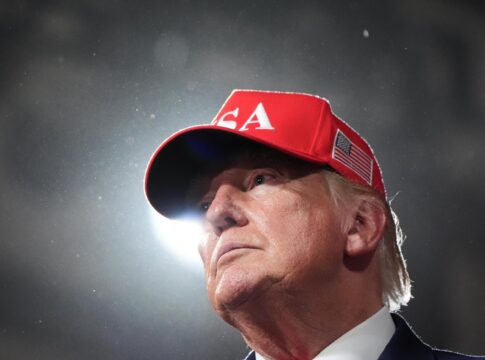
President Donald Trump reversed his administration’s decision to livestream the firing squad execution of Fort Hood mass murderer Nidal Malik Hasan after facing intense bipartisan criticism, even from his own vice president who declared he wouldn’t watch it.
Administration Reversal After Political Firestorm
Trump announced Thursday on social media that the Pentagon would cancel plans to broadcast Hasan’s December 3 execution, though he defended the original concept as a potential deterrent. The president suggested that streaming the execution could have shown the world how America handles terrorists, but acknowledged that many well-meaning citizens preferred not to witness the death through any visual medium. Defense Secretary Pete Hegseth’s earlier announcement promising a public, livestreamed execution had triggered fierce backlash from Republicans and Democrats alike, with lawmakers warning the footage could fuel terrorist recruitment and radicalization efforts.
Vice President JD Vance distanced himself from the livestream plan when questioned about how public execution aligned with his Christian faith. While emphasizing that Americans should remember Hasan’s brutal murder of innocent people, Vance admitted he wouldn’t watch if the execution proceeded as planned. Trump’s revised policy allows only immediate family members of Hasan’s victims to witness the execution in person if they choose to attend.


The 2009 Fort Hood Massacre
On November 5, 2009, Army psychiatrist Major Nidal Malik Hasan entered a medical building at Fort Hood where soldiers awaited immunizations and deployment clearances. He shouted religious declarations in Arabic before opening fire with a laser-sighted handgun, targeting soldiers inside the facility and those fleeing to the parking lot. Thirteen people died in the attack, which Hasan later claimed was intended to prevent American troops from deploying to Afghanistan. A military judge barred him from presenting this as a legal defense during his 2013 court-martial trial.
Law enforcement shot Hasan during the attack, leaving him paralyzed from the waist down and wheelchair-bound. The firing squad execution represents a significant moment in military justice, as capital punishment cases in the armed forces remain extremely rare. While Hasan could potentially seek delays to his execution, his behavior during the trial suggests he may not pursue such options.
Constitutional and Strategic Concerns
The controversy highlights the delicate balance between justice for victims’ families and national security concerns about providing propaganda material to America’s enemies. Critics from both parties argued that broadcasting the execution could serve terrorist recruitment efforts and compromise American values regarding dignity in the justice system. The administration’s reversal demonstrates the political risks of policies that appear to prioritize spectacle over traditional legal procedures, even when addressing heinous crimes committed by domestic terrorists against military personnel on American soil.