
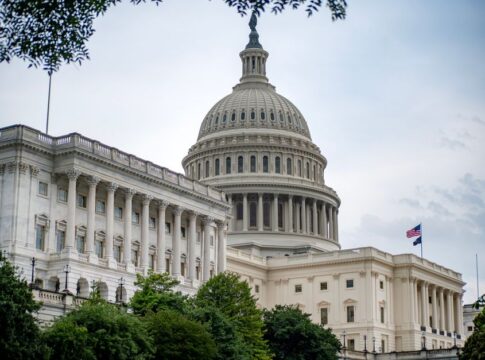
Photo: Ramaz Bluashvili / Pexels
By Daily American Press Newsroom, National Desk — Published September 20, 2026
Table of Contents
- Key Takeaways
- The Background & Context
- Why This Matters
- Reactions & Analysis
- What Happens Next
- Frequently Asked Questions
The Trump administration has been sued more than 750 times, marking an unprecedented wave of legal challenges against the federal government. This flood of litigation spans policy areas from immigration and environmental regulation to civil rights and executive authority. The sheer volume represents a historic test of presidential power and the judiciary’s role as a check on executive action.
Legal experts and government watchdogs are now tracking these cases as they wind through federal courts across the nation. The lawsuits come from state attorneys general, advocacy organizations, business groups, and individual plaintiffs. Each case questions whether specific administration actions comply with federal law, the Constitution, or established administrative procedures.
The litigation tracker reveals a pattern: rapid policy changes often trigger immediate courtroom battles. Many suits challenge how quickly the administration moved without following required notice-and-comment periods. Others contest the substance of policies themselves. The result is a legal landscape where federal judges frequently serve as arbiters of what the executive branch can and cannot do.
Key Takeaways
- More than 750 lawsuits have been filed challenging Trump administration actions, representing an extraordinary level of legal pushback against federal policies.
- The legal challenges span multiple policy domains including immigration enforcement, environmental protections, healthcare regulations, and civil rights measures.
- According to reports, the administration has lost hundreds of these lawsuits as courts find fault with procedural shortcuts or substantive violations of law.
- State attorneys general, nonprofit advocacy groups, and affected individuals have emerged as the primary plaintiffs bringing these cases to federal courts.
- The litigation serves as a real-time test of separation of powers, with the judiciary frequently ruling on the limits of executive authority.
- Legal tracking initiatives by organizations and media outlets have made these cases more transparent and accessible to the American public.
The Background & Context
Presidential administrations have always faced lawsuits. That’s part of American governance. But the current volume breaks historical norms. Previous administrations typically faced hundreds of legal challenges over four years. The Trump administration crossed that threshold in a fraction of the time.
Why the surge? Experts point to several factors. First, the administration pursued sweeping policy changes across numerous agencies simultaneously. Second, many of these changes reversed long-standing rules and practices. Third, the pace of change often meant agencies bypassed standard procedures designed to allow public input and careful legal review.
The Administrative Procedure Act requires federal agencies to follow specific steps when making new rules. They must publish proposed changes, accept public comments, and provide reasoned explanations for their decisions. Courts have repeatedly found that administration officials skipped these steps or failed to adequately justify their actions. These procedural failures have proven fatal to many policies in court.
Immigration policy has generated particularly intense litigation. Travel restrictions, asylum rule changes, border wall funding, and deportation priorities all sparked immediate legal challenges. Environmental rollbacks came next, with lawsuits contesting changes to clean air standards, water protections, and endangered species rules. Healthcare, labor regulations, and civil rights policies rounded out major litigation categories.
State attorneys general have played an outsized role. Democratic-led states formed coalitions to challenge federal actions they viewed as harmful to their residents or contrary to law. This mirrored tactics Republican attorneys general used during the Obama administration, though the current volume exceeds previous levels.
Why This Matters
For ordinary Americans, these lawsuits directly affect daily life. Court decisions determine whether clean water protections remain in place. They decide who can enter the country and under what circumstances. They shape healthcare access, workplace safety rules, and consumer protections.
The litigation also raises fundamental questions about democratic governance. When courts block executive actions, they’re enforcing legal constraints on presidential power. These constraints exist to prevent any single branch from accumulating too much authority. The founders designed the system this way deliberately.
But the volume of lawsuits also reveals deep polarization. When nearly every major policy decision ends up in court, it suggests political disputes are being resolved through litigation rather than legislation or democratic consensus. Federal judges, appointed for life, make decisions that elected officials struggle to achieve through normal political processes.
Taxpayers bear the costs. Government lawyers defending these cases draw salaries from federal budgets. Outside counsel sometimes supplements their work at additional expense. Meanwhile, delayed or blocked policies can affect federal programs and services citizens depend on.
The Supreme Court looms over everything. Many cases that begin in district courts eventually reach the nation’s highest tribunal. The Court’s conservative majority, strengthened by Trump-appointed justices, may ultimately decide the boundaries of executive power for a generation. Their rulings will affect not just this administration but future ones.
Reactions & Analysis
Administration officials have defended their record in court, arguing that policy changes fall within legitimate executive authority. They contend that previous administrations overstepped legal bounds and that current actions simply restore proper limits. When courts rule against them, they often appeal or revise policies to address judicial concerns.
Critics see a different pattern. They argue the administration prioritizes speed over legality, rushing to implement campaign promises without adequate legal groundwork. As noted by legal tracking efforts, the hundreds of losses in court support this view. Judges across the political spectrum have found administration actions legally deficient.
Legal scholars observe that the litigation serves an important checking function. Courts force the executive branch to follow established procedures and justify its decisions with evidence and reasoning. This prevents arbitrary governance and protects minority rights against majoritarian overreach.
Some worry about judicial overreach. If unelected judges can block nearly any presidential action, does that undermine democratic accountability? The counter-argument holds that judges aren’t making policy—they’re ensuring the executive branch follows laws that Congress passed and the president signed.
Civil society organizations have mobilized unprecedented legal resources. Groups like the American Civil Liberties Union and environmental advocacy organizations have filed dozens of suits. They’ve also coordinated with state attorneys general and recruited volunteer lawyers. This represents a massive investment in litigation as a political strategy.
What Happens Next
Many cases remain pending. District court decisions await appellate review. Circuit court rulings may head to the Supreme Court. Some policies blocked by preliminary injunctions still await final judgments on their merits. The legal battles will continue long after the administration ends.
Future administrations will inherit this case law. Supreme Court decisions clarifying executive authority will bind all presidents regardless of party. If the Court limits how agencies can interpret statutes or what procedures they must follow, those constraints become permanent features of federal governance.
Congress could resolve some disputes by passing clear legislation. But partisan gridlock makes major bills difficult. So courts continue filling the vacuum, interpreting old statutes to address new situations. This judicial policymaking troubles observers across the political spectrum.
The litigation tracker initiatives will likely continue. Transparency organizations and media outlets have invested in databases and reporting systems to monitor these cases. They’ve made court documents and rulings accessible to journalists, researchers, and interested citizens. This infrastructure will outlast any single administration.
Lawyers are watching closely. The legal strategies, judicial reasoning, and procedural battles in these cases will shape administrative law for years. Law schools are already teaching these cases. Future government lawyers and judges will study them as precedents.
Frequently Asked Questions
Why has the Trump administration been sued so many times?
The high number of lawsuits stems from the administration’s aggressive pursuit of policy changes across multiple agencies, often implemented rapidly without following standard administrative procedures. Many plaintiffs argue these actions violate federal law, the Constitution, or the Administrative Procedure Act’s requirements for public notice and reasoned decision-making. The breadth and speed of policy shifts triggered legal challenges from state governments, advocacy groups, and affected individuals.
Who is filing these lawsuits against the federal government?
The plaintiffs include state attorneys general (often working in coalitions), nonprofit advocacy organizations focused on civil rights, immigration, and environmental issues, business groups affected by regulatory changes, and individual citizens harmed by specific policies. Democratic-led states have been particularly active, though some Republican attorneys general have also challenged certain federal actions that affect their states.
What happens when the administration loses these cases in court?
When courts rule against the administration, they typically issue injunctions blocking the challenged policy from taking effect or continuing. The government can appeal these decisions to higher courts, revise the policy to address legal deficiencies, or abandon the effort entirely. Some losses are temporary, with revised policies later passing legal muster. Others represent permanent defeats that force the administration to change course.
How does this level of litigation compare to previous administrations?
While all presidential administrations face lawsuits, the current volume represents a historic high. Previous administrations typically accumulated hundreds of legal challenges over full four-year terms, whereas the Trump administration surpassed 750 cases in less time. The Obama administration also faced significant litigation, particularly from Republican attorneys general, but the current pace and volume exceed those levels.
The courtroom battles over executive power will define this era of American governance. Win or lose, these cases establish precedents that constrain and empower future presidents. For citizens trying to understand how their government works—and who controls it—following these lawsuits offers essential insights into democracy’s daily struggles.