
Photo: Rafael Minguet Delgado / Pexels
By Daily American Press Newsroom, Economy Desk — Published November 28, 2026
Table of Contents
- Key Takeaways
- The Background & Context
- Why This Matters
- Reactions & Analysis
- What Happens Next
- Frequently Asked Questions
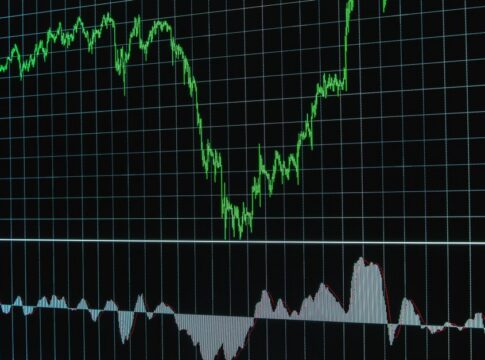
Wall Street investors are bracing for a pivotal week as a volatile stock market faces critical tests from upcoming employment data and shifting expectations around Federal Reserve interest rate policy. The convergence of these economic forces arrives at a moment when market participants are already grappling with heightened uncertainty about the trajectory of both inflation and economic growth.
This wall week ahead promises to deliver fresh insights into the health of the U.S. economy, with jobs figures expected to provide crucial signals about labor market strength. Simultaneously, traders are recalibrating their views on how aggressively the central bank might adjust monetary policy in response to evolving economic conditions.
The dual challenge of interpreting employment trends while anticipating Federal Reserve moves has left investors navigating choppy waters. Recent market swings underscore the fragility of sentiment as Wall Street attempts to price in multiple competing scenarios for the months ahead.
Key Takeaways
- Wall Street enters a critical week facing heightened volatility as investors await key employment data that could reshape economic expectations.
- Market participants are closely monitoring jobs reports for signals about labor market resilience and potential inflationary pressures.
- Federal Reserve interest rate policy remains a central focus, with traders adjusting their outlook based on incoming economic indicators.
- The confluence of jobs data and rate policy uncertainty has amplified market instability in recent trading sessions.
- Investor sentiment remains fragile as Wall Street attempts to balance concerns about economic growth against persistent inflation worries.
- The coming week’s data releases could significantly influence the Federal Reserve’s policy trajectory and market valuations.
The Background & Context
The current market turbulence reflects a broader struggle among investors to assess the Federal Reserve’s next moves in its ongoing battle against inflation. For more than two years, the central bank has pursued an aggressive tightening campaign, raising interest rates from near-zero levels to multi-decade highs in an effort to cool an overheated economy and bring price increases back toward the Fed’s two-percent target.
This monetary policy shift has profoundly reshaped the investment landscape. Higher borrowing costs have pressured corporate profits, dampened consumer spending, and raised questions about economic sustainability. Stock valuations, particularly in growth-oriented sectors that thrived during the era of cheap money, have faced significant headwinds as the cost of capital has risen.
Employment data has emerged as perhaps the most critical barometer of economic health in this environment. A strong labor market has historically supported consumer spending, which accounts for roughly two-thirds of U.S. economic activity. Yet robust job growth can also fuel wage increases that feed into broader inflationary pressures, potentially compelling the Federal Reserve to maintain restrictive monetary policy for longer than markets might prefer.
Recent months have seen Wall Street whipsawed by conflicting economic signals. Some indicators suggest the economy is cooling in response to higher rates, while others point to continued resilience. This ambiguity has made it difficult for investors to establish conviction about whether the United States will achieve a soft landing—slowing inflation without triggering a recession—or whether more painful economic adjustments lie ahead.
Why This Matters
The stakes extend far beyond Wall Street trading floors. The interplay between jobs data, inflation, and interest rates directly affects the financial well-being of millions of American households. When the Federal Reserve adjusts policy rates, the ripple effects touch everything from mortgage costs to credit card interest charges to the returns available on savings accounts.
For workers, a strong labor market means better job security and potentially higher wages. But if those wage gains fail to keep pace with inflation, purchasing power erodes. The Federal Reserve’s challenge is to calibrate policy tightly enough to prevent runaway price increases while avoiding an overly aggressive stance that could trigger widespread layoffs and economic contraction.
Stock market volatility carries its own consequences for ordinary Americans. Retirement accounts, college savings plans, and other investment vehicles tied to equity markets fluctuate with Wall Street’s mood swings. Sustained market declines can erode household wealth, potentially dampening consumer confidence and spending even among those not directly employed in the financial sector.
Business investment decisions also hinge on these economic crosscurrents. Companies planning expansions, hiring initiatives, or capital projects must assess whether demand will remain robust and what financing those endeavors will cost. Uncertainty about the economic outlook can lead firms to postpone investments, potentially slowing job creation and productivity growth.
The housing market offers another lens through which to view these dynamics. Mortgage rates track closely with broader interest rate trends. When the Federal Reserve signals a more restrictive policy stance, home borrowing costs typically rise, cooling housing demand and affecting construction employment, real estate values, and the broader economy.
Reactions & Analysis
Market strategists have expressed divergent views about what lies ahead. Some analysts believe that signs of economic cooling will give the Federal Reserve room to ease its restrictive policy stance, potentially providing relief to stock valuations. This camp argues that inflation has already begun a sustainable descent and that maintaining overly tight monetary policy risks unnecessary economic damage.
Others caution that premature optimism could prove costly. These observers point to the persistence of price pressures in certain sectors and warn that the Federal Reserve remains committed to its inflation-fighting mandate. Any jobs data suggesting continued labor market tightness could reinforce the central bank’s resolve to keep rates elevated, potentially disappointing investors hoping for near-term policy relief.
The technical picture in equity markets has also drawn attention. Recent volatility has triggered concerns about market breadth, with gains concentrated in a narrow group of large-capitalization technology stocks while broader indices struggle. This concentration raises questions about the sustainability of any rally and whether investor enthusiasm reflects genuine economic optimism or merely momentum chasing in a handful of names.
Bond markets have sent their own signals, with Treasury yields fluctuating as investors reassess growth and inflation expectations. The relationship between short-term and long-term interest rates—closely watched for recession signals—has added another layer of complexity to the analytical landscape.
What Happens Next
The immediate focus centers on forthcoming employment reports and how those figures influence Federal Reserve policy expectations. Strong job growth accompanied by wage acceleration could cement expectations for prolonged monetary restraint, potentially pressuring equity valuations. Conversely, signs of labor market softening might fuel hopes for earlier rate cuts, though such a scenario carries its own risks if it signals broader economic weakness.
Beyond the near-term data releases, investors face a longer-term question about the economy’s structural trajectory. Has the inflationary surge of recent years fundamentally altered the economic landscape, or will conditions eventually return to the low-inflation, low-rate environment that prevailed for much of the past decade? The answer will shape investment strategies and asset allocation decisions for years to come.
Corporate earnings reports will provide another critical input. How companies describe demand conditions, pricing power, and cost pressures will offer ground-level perspective on economic momentum. Any significant divergence between macroeconomic data and corporate guidance could trigger market reassessments.
Political factors also loom on the horizon. Fiscal policy debates, regulatory changes, and election-year dynamics can all influence economic conditions and market sentiment. The interaction between monetary policy set by the independent Federal Reserve and fiscal decisions made by elected officials adds another dimension of complexity to the outlook.
Frequently Asked Questions
Why are jobs reports so important to stock market investors?
Employment data provides crucial insights into economic momentum and inflation pressures. Strong job growth typically supports consumer spending and corporate revenues, which is positive for stocks. However, extremely robust employment can also fuel wage inflation, potentially prompting the Federal Reserve to maintain higher interest rates that pressure stock valuations. Investors carefully parse jobs reports to gauge this delicate balance and anticipate central bank policy moves.
How do Federal Reserve interest rate decisions affect everyday Americans?
Federal Reserve rate changes ripple through the entire economy, affecting borrowing costs for mortgages, auto loans, credit cards, and business financing. Higher rates make borrowing more expensive, which can slow economic activity but also helps combat inflation. Lower rates reduce borrowing costs and can stimulate growth but may allow price pressures to build. These policy decisions also influence returns on savings accounts and the value of retirement investments tied to stock and bond markets.
What is market volatility and why has it increased recently?
Market volatility refers to the magnitude and frequency of price swings in stocks, bonds, and other assets. Recent volatility reflects investor uncertainty about the economic outlook, inflation trajectory, and Federal Reserve policy path. When market participants cannot agree on likely future scenarios, trading activity becomes more erratic as new data prompts rapid reassessments. This uncertainty has been amplified by conflicting economic signals and the challenge of predicting how the economy will respond to the fastest interest rate increases in decades.
Could the economy avoid a recession despite higher interest rates?
Many economists believe a soft landing—where inflation cools without triggering a recession—remains possible, though the path is narrow. If inflation continues declining while the labor market gradually cools rather than collapsing, the Federal Reserve could achieve its goals without causing severe economic contraction. However, historical precedent suggests that aggressive rate-hiking campaigns often lead to recessions. The outcome depends on numerous factors including consumer resilience, business adaptability, global economic conditions, and the precision of Federal Reserve policy calibration.
As Wall Street enters this consequential week, the interplay between employment data and interest rate expectations will test investor resolve and potentially reshape market narratives. The answers emerging from upcoming reports will influence not just stock prices but the broader economic prospects of American workers, businesses, and families navigating an uncertain landscape.