
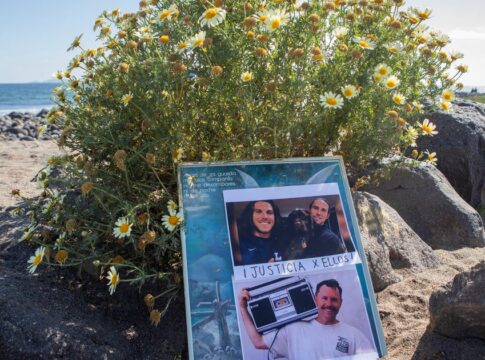
Three Mexican criminals received 158-year prison sentences for murdering two Australian brothers and an American surfer during a 2024 robbery attempt in Baja California. The brutal killing of Jake and Callum Robinson and Carter Rhoad shocked the international surfing community and exposed the deadly violence plaguing Mexico’s Pacific coast.
Brutal Attack Claims Three Lives
The victims were camping at a remote beach near Ensenada on April 27, 2024, when attackers shot them during an attempted vehicle theft. Jesus Gerardo, known as “el Kekas,” led the attack alongside Irineo Francisco and Angel Jesus. Judge Raul Hernandez determined the three defendants acted with premeditation. Jesus Gerardo already had a criminal record before targeting the surfers.
State prosecutors theorized the killers spotted the group’s pickup truck and tents while driving past, then decided to steal tires and vehicle parts. The attack was not specifically aimed at tourists, but rather represented a crime of opportunity that turned deadly. After the murders, the defendants rushed to destroy evidence by burning the tents and truck before dumping the bodies.


Bodies Hidden In Remote Well
The killers transported the victims’ bodies four miles to an extremely difficult location, where they dumped them in a well covered with boards. The well was nearly impossible to find, and extraction took two hours. Investigators discovered a fourth body that had been there much longer. Prosecutors believe the same men may have committed that earlier killing, though no charges have been filed in that case.
“There can never be justice for the loss of a son, but we are grateful that these men will never hurt anyone else,” said Page Rhoad, Carter’s mother, after learning the verdict. Martin Robinson expressed the devastating reality: “It’s hard for a parent to lose a son, and we lost two sons.” His wife Debra said the cruelty her sons endured in their final hours caused unbearable pain.
Justice For Grieving Families
The victims’ families participated in the sentencing hearing via video link from Australia and the United States. Carter Rhoad’s fiancée, Natalie Weirtz, addressed the court remotely, demanding punishment to prevent other families from suffering similar tragedy. Rhoad and Weirtz were scheduled to marry just months after his murder. Prosecutors sought more than one hundred thousand dollars in damages, but the judge rejected that request and directed families to pursue compensation through civil proceedings instead.
Baja California remains one of Mexico’s most violent states, dominated by organized crime and drug trafficking operations. While cartel activity typically does not target tourists, the callousness of these murders shocked Ensenada, a world-renowned surfing destination. The case highlights ongoing dangers foreign visitors face on Mexico’s Pacific coast, where similar attacks have occurred against international travelers seeking adventure in remote coastal areas.